

• (+62721) 702022 (Hunting)
  • [email protected]
  • Youtube
  • Instagram
  • Facebook
  • Alumni
Bahasa IndonesiaID
  • EnglishEN
PENDAFTARAN
  • Beranda
  • Tentang
        • Tentang Teknokrat
          • Sejarah
          • Visi dan Misi
          • Yayasan Pendidikan Teknokrat
          • Rektor UTI
          • Pimpinan Universitas
          • Dosen Teknokrat
          • Profil UTI
          • Kebijakan Privasi
          • Kontak Kami
        • Beasiswa
          • Beasiswa KIP Kuliah
          • Beasiswa Yayasan
        • Kualitas
          • Akreditasi
          • Pusat Penjaminan Mutu
          • e-SPMI
          • Legalitas dan Pengakuan
          • Sistem Manajemen Gedung
        • Kolaborasi & Kemitraan
          • HEI Luar Negeri
          • Industri
          • Pemerintah
          • Kerjasama
          • Karier
        • Unit Penunjang
          • Pusat Inovasi & Kewirausahaan
          • Penelitian dan Pengabdian kepada Masyarakat
          • Pusat Karier & Pelatihan
          • Pusat Pengembangan Mahasiswa
  • Mengapa Teknokrat?
    • Internasionalisasi
    • Jalur Pengembangan Mahasiswa
    • Prestasi
    • Pusat Keunggulan
    • Jalur Karier
    • Komunitas Mahasiswa
    • Fasilitas
    • Peluang Lulusan
    • Alumni
  • Pendaftaran
    • Program Sarjana (S1)
      • Pendaftaran
      • Brosur
      • Kalender Penerimaan
      • Prosedur Penerimaan
      • Persyaratan Pendaftaran
      • Biaya Pendidikan
    • Program Magister (S2)
      • Pendaftaran
      • Brosur
      • Prosedur Penerimaan
      • Biaya Pendidikan
    • Program Internasional
      • Teknokrat Global Connect
  • Program
        • Fakultas Sastra dan Ilmu Pendidikan
          • Pendidikan Bahasa Inggris
          • Pendidikan Matematika
          • Pendidikan Olahraga
          • Sastra Inggris
        • Fakultas Ekonomi dan Bisnis
          • Manajemen
          • Akuntansi
        • Fakultas Teknik dan Ilmu Komputer
          • Sistem Informasi
          • Teknologi Informasi
          • Teknik Elektro
          • Teknik Komputer
          • Teknik Sipil
          • Informatika
        • Program Internasional
          • Teknokrat Global Connect
        • Program Magister
          • Magister Bahasa Inggris (S2)
          • Magister Ilmu Komputer (S2)
  • Berita
  • Layanan
        • Fasilitas Umum
          • Penerbit
          • Perpustakaan
          • Kemahasiswaan
          • Ensiklopedia Teknokrat
          • Kartu Teknokrat
          • Teknokrat Student Park
          • Teknokrat TV
          • Lapor Satgas PPKPT
          • Teknokrat Virtual View
          • Youtube Teknokrat
          • Uji Kompetensi
          • Layanan Disabilitas
        • Layanan Elektronik
          • Online Learning (SPADA)
          • Massive Open Online Courses (MOOCs)
          • Aplikasi e-Parent
          • e-Presensi Ormawa
          • e-Peminjaman
          • e-Certificate
          • e-Quality
          • e-Jurnal
          • Siakad
          • Cyber Security Team
          • Tracer Study
  • Pusat SDGs
  • Jaminan Mutu
PENDAFTARAN
  • EnglishEN
  • Bahasa IndonesiaID
  • Beranda
  • Tentang
    • Tentang Teknokrat
      • Sejarah
      • Visi dan Misi
      • Yayasan Pendidikan Teknokrat
      • Rektor UTI
      • Pimpinan Universitas
      • Dosen Teknokrat
      • Profil UTI
      • Kebijakan Privasi
      • Kontak Kami
    • Beasiswa
      • Beasiswa KIP Kuliah
      • Beasiswa Yayasan
    • Kualitas
      • Akreditasi
      • Pusat Penjaminan Mutu
      • e-SPMI
      • Legalitas dan Pengakuan
      • Sistem Manajemen Gedung
    • Kolaborasi & Kemitraan
      • HEI Luar Negeri
      • Industri
      • Pemerintah
      • Kerjasama
      • Karier
    • Unit Penunjang
      • Pusat Inovasi & Kewirausahaan
      • Penelitian dan Pengabdian kepada Masyarakat
      • Pusat Karier & Pelatihan
      • Pusat Pengembangan Mahasiswa
  • Mengapa Teknokrat?
    • Internasionalisasi
    • Jalur Pengembangan Mahasiswa
    • Prestasi
    • Pusat Keunggulan
    • Jalur Karier
    • Komunitas Mahasiswa
    • Fasilitas
    • Peluang Lulusan
    • Alumni
  • Pendaftaran
    • Program Sarjana (S1)
      • Pendaftaran
      • Brosur
      • Kalender Penerimaan
      • Prosedur Penerimaan
      • Persyaratan Pendaftaran
      • Biaya Pendidikan
    • Program Magister (S2)
      • Pendaftaran
      • Brosur
      • Prosedur Penerimaan
      • Biaya Pendidikan
    • Program Internasional
      • Teknokrat Global Connect
  • Program
    • Fakultas Sastra dan Ilmu Pendidikan
      • Pendidikan Bahasa Inggris
      • Pendidikan Matematika
      • Pendidikan Olahraga
      • Sastra Inggris
    • Fakultas Ekonomi dan Bisnis
      • Manajemen
      • Akuntansi
    • Fakultas Teknik dan Ilmu Komputer
      • Sistem Informasi
      • Teknologi Informasi
      • Teknik Elektro
      • Teknik Komputer
      • Teknik Sipil
      • Informatika
    • Program Internasional
      • Teknokrat Global Connect
    • Program Magister
      • Magister Bahasa Inggris (S2)
      • Magister Ilmu Komputer (S2)
  • Berita
  • Layanan
    • Fasilitas Umum
      • Penerbit
      • Perpustakaan
      • Kemahasiswaan
      • Ensiklopedia Teknokrat
      • Kartu Teknokrat
      • Teknokrat Student Park
      • Teknokrat TV
      • Lapor Satgas PPKPT
      • Teknokrat Virtual View
      • Youtube Teknokrat
      • Uji Kompetensi
      • Layanan Disabilitas
    • Layanan Elektronik
      • Online Learning (SPADA)
      • Massive Open Online Courses (MOOCs)
      • Aplikasi e-Parent
      • e-Presensi Ormawa
      • e-Peminjaman
      • e-Certificate
      • e-Quality
      • e-Jurnal
      • Siakad
      • Cyber Security Team
      • Tracer Study
  • Pusat SDGs
  • Jaminan Mutu
  • Home
  • Teknik

Project Based Learning

  • Posted by
  • Date 28/11/2021
  • Categories Teknik

Definition of Project-Based Learning

Project-based learning (Project Based-Learning or PBL) is a learning method that uses projects/activities as media. Students carry out exploration, assessment, interpretation, creation, & coverage to create various forms of learning output.[1]

Project-based learning is a particular tactic in learning that replaces or reverses the face of the traditional classroom. That is, through this learning, learning in classes that generally use conventional learning is more innovative. In project-based learning, students carry out investigations (investigations) through open-ended questions, applying knowledge to produce products. In addition, this learning is “set” so that students are more active in learning by working together in one group.[two]

Project-based learning is one example of innovative learning that is student-centered (student centered) at the Best PTS Sumatra & can be chosen and used by teachers as another way of learning that will put a new “hue” on learning that generally tends to be conventional.[2]

Project-Based Learning Objectives

The focus of project-based learning is that students in learning can spread their knowledge and skills through a structured inquiry process and make products that are not in harmony with traditional learning which generally only gets memorized theories. With project-based learning, students can gain long-term meaningful knowledge and skills.[3]

Project-based learning is supported by constructivism learning theory. In the view of constructivism by Piaget, it is argued that knowledge grows and develops through experience. The core based on constructivism learning enhances knowledge in the academic, social and personal domains simultaneously.[4]

Conceptually, project-based learning is an example of learning that uses projects/activities as the core and learning media. Learners explore, assess, interpret, and fabricate the proposed conflict & make news through activities and real forms into learning output forms.[5]

Project-based learning was originally introduced by John Dewey, allowing students to make various choices in the learning process. Students work together on a variety of incompatible tasks related to the project. Because project-based learning is meaningful, integrated, and active, teachers find more opportunities to challenge students at their own level of ability. Learners become experienced at doing project work, and challenge themselves to each other to ask more questions, find more learning resources, and create more informative projects.[6]

Learners learn to engage in real global projects & change every aspect of their experience. This learning model also causes a shift in the teacher’s role no longer as experts in discussing content, or only providing coverage in small rebates. The application of this learning example can result in the learning atmosphere in the classroom becoming more “live” and fun so that students are more enthusiastic in learning & more sensitive to the environment because they are more active in learning, face real conditions in life & form products/works not limited to memorizing. theory or get coverage only.[7] Principles[edit source]

Principles of Project-Based Learning
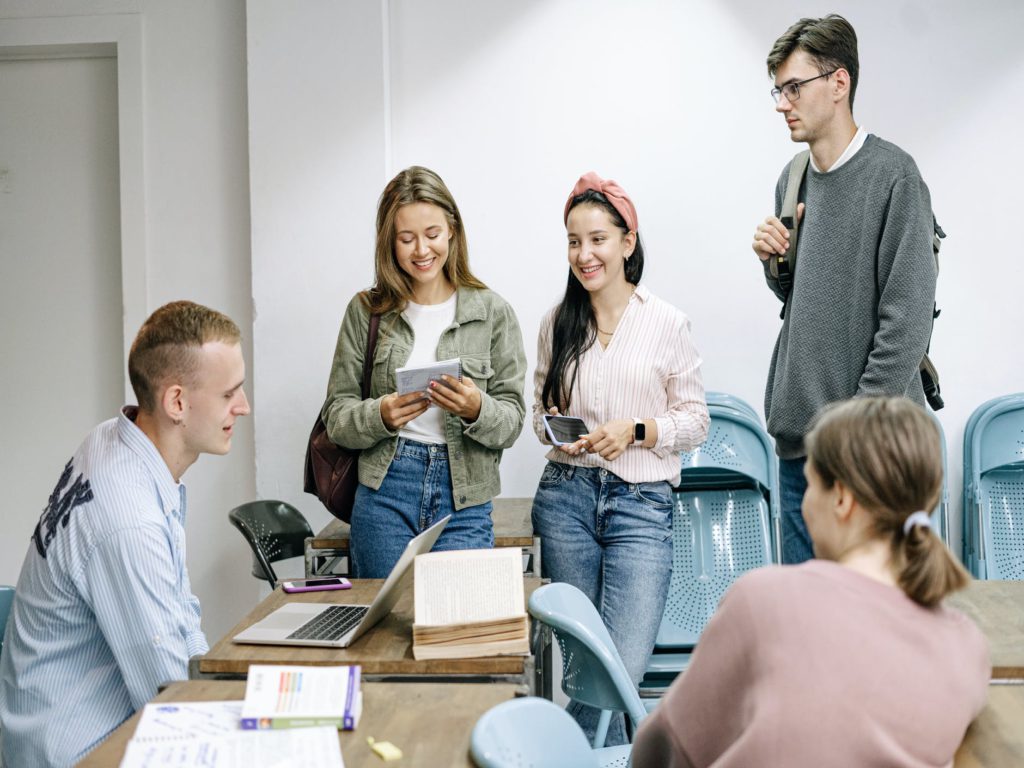
Pembelajaran berbasis proyek

Project-based learning has several principles.

According to Thomas, these principles are: [8][9] centrality (centrality), driving question (driving question), constructive investigation, autonomous (autonomy), realistic (realism).

The centralistic principle emphasizes that project work is the essence of the curriculum. Learners learn the main concepts based on a knowledge through project work. So project work is not artificial or additional & easy implementation but is the center of learning activities in the classroom.[8]

The guiding question principle means that project work begins by focusing on a “question or dispute” that encourages students to try to acquire certain concepts or principles.[8]

The principle of constructive examination is a process that leads to the achievement of goals, which contains activities of inquiry (investigation), concept building, case solving, and decisions.[8]

The principle of autonomy implies that there is independence of students in carrying out the learning process, is free to make their own choices, works with minimal supervision, and is responsible.[8]

The realistic principle means that the project is related to concrete life and not made up. Students make a concrete & serious project in an authentic conflict, & edit [9]

Project-based learning has the following learning characteristics. [10] Students make decisions about the framework; There are conflicts or challenges that are proposed to students; Students design processes to determine solutions to proposed disputes or challenges; Students are collaboratively responsible for access & manage information to solve problems; The evaluation process is carried out constantly; Students periodically reflect on the activities that have been carried out; The final product of students working on projects is evaluated qualitatively. The learning situation is very tolerant of mistakes & edit origin]

Project-based learning steps from The George Lucas Educational Foundation

 a. Determination of Fundamental Questions (Start With the Essential Question).

Learning begins with essential questions. Questions that can give assignments to students in carrying out an activity. Assignment topics are linked using concrete globals that are relevant and meaningful to students, starting with an in-depth examination.[12]

b. Designing a Project Plan (Design a Plan for the Project)

Planning is done collaboratively between teachers and students. Thus, students are needed to feel “own” over the project. Planning contains about the game budget, selecting activities that can support answering essential questions, using ways to integrate as many subjects as possible, and knowing the senses and materials that can be accessed to help complete the project.[12]

c. Create a Schedule (Create a Schedule)

Teachers and students collaboratively arrange a schedule of activities in completing projects. Activities in this term include:

(1) create a timeline (time allocation) to complete the project;

(2) create a deadline (limit when the end) project completion;

(3) bringing students to plan new ways;

(4) guiding students as they make projects that are not related to the project;

(5) ask students to provide explanations (reasons) about

d. Monitor students & project progress (Monitor the Students and the Progress of the Project)

The teacher is responsible for monitoring the activities of students while completing the project. Monitoring is done by facilitating students in each process. In other words, the teacher acts as a mentor for student activities. In order to simplify the monitoring process, a rubric was formed that can record the crucial activities holistically.[12]

e. Testing Results (Assess the Outcome)

Assessments are carried out to assist teachers in measuring standard achievement, play a role in evaluating the progress of each student, provide feedback on the level of understanding that students have achieved, assist teachers in formulating the next learning strategy.[12]

  • Share:
author avatar

Previous post

STUDENTS OF THE BEST UNIVERSITAS TEKNOKRAT INDONESIA PTS SUMATERA PASSED THE INDONESIAN INNOVATION TALENT PROGRAM
28/11/2021

Next post

CAREER OPPORTUNITIES FOR CIVIL ENGINEERING GRADUATES IN MINING FIELD
29/11/2021

Leave A Reply Batalkan balasan

Alamat email Anda tidak akan dipublikasikan. Ruas yang wajib ditandai *

Pos-pos Terbaru

  • PEMBEKALAN ASISTEN DOSEN ! Wakil Rektor Teknokrat: Akreditasi Unggul Harus Berdampak Nyata bagi Mahasiswa
  • KEREN !! Universitas Teknokrat Indonesia Kenalkan Teknologi Robotika kepada Siswa SMKS Nusantara Pesawaran, Tiga Robot Berhasil Dirakit
  • HITEKMASI Teknokrat Gelar Team Building Camp, Cetak Mahasiswa yang Unggul dan Berjiwa Kepemimpinan
  • KEREN !! HIMA Akuntansi Universitas Teknokrat Indonesia Gelar Team Building Camp, Perkuat Kepemimpinan dan Solidaritas Mahasiswa
  • MEMBANGGAKAN !! Harumkan Nama Kampus di Tingkat Nasional, Tim Tapis Berseri Universitas Teknokrat Indonesia Raih Juara I Sandi Yudha Competition 2026
  • LUAR BIASA !! Libatkan 41 Organisasi Mahasiswa, Student Fest Technology and Art Expo 2026 Universitas Teknokrat Indonesia Jadi Wadah Pengembangan Potensi Mahasiswa
  • TEMBUS 4 BESAR NASIONAL !! Universitas Teknokrat Indonesia Loloskan 21 Produk Inovasi ke KSTI 2026 Mengungguli Beberapa Kampus Top di Indonesia
  • LUAR BIASA !! Duta Teknokrat 2026 Lahirkan Generasi “Progressive Patriots”, Siap Jadi Pemimpin Muda Berkarakter dan Menginspirasi
  • MENDUNIA !! Rektor Universitas Teknokrat Indonesia Ditetapkan sebagai Chair Professor di Dua Universitas Korea Selatan

Kontak

  • Universitas Teknokrat Indonesia
  • Jl. Zainal Abidin Pagaralam, No.9-11 Labuhan Ratu, Kota Bandar Lampung Provinsi Lampung, 35132
  • (+62721) 702022 (Hunting)
  • +62 822-7992-0145 (Khusus Chat)
  • [email protected]

Unit dan Layanan Pendukung

  • Perpustakaan
  • Kemahasiswaan
  • Penjaminan Mutu
  • Pusat Karier dan Pelatihan
  • Pusat Inkubator Bisnis
  • Satgas PPKPT Teknokrat

Layanan Akademik dan Digital

  • Sistem Informasi Akademik
  • Pembelajaran Daring (SPADA)
  • Uji Kompetensi Berbasis Komputer
  • Jurnal Elektronik
  • e-Parent (Portal Orang Tua Mahasiswa)
  • Sertifikat Elektronik
  • Alumni dan Tracer Study

Penerimaan Mahasiswa Baru

  • Daftar Sekarang
  • Informasi Biaya Kuliah
  • Informasi Beasiswa
Facebook-f Instagram Youtube

Copyright Themes © 2022

Copyright Themes © 2022

Copyright Themes © 2022

Copyright Themes © 2022

Copyright Themes © 2022